
What is EV Batteries?
EV Batteries are energy storage devices specifically designed to power the electric motors of electric vehicles (EVs) and plug-in hybrids (PHEVs). These batteries are the heart of electric vehicles, providing the electricity needed to operate them. Here is some key information about them:
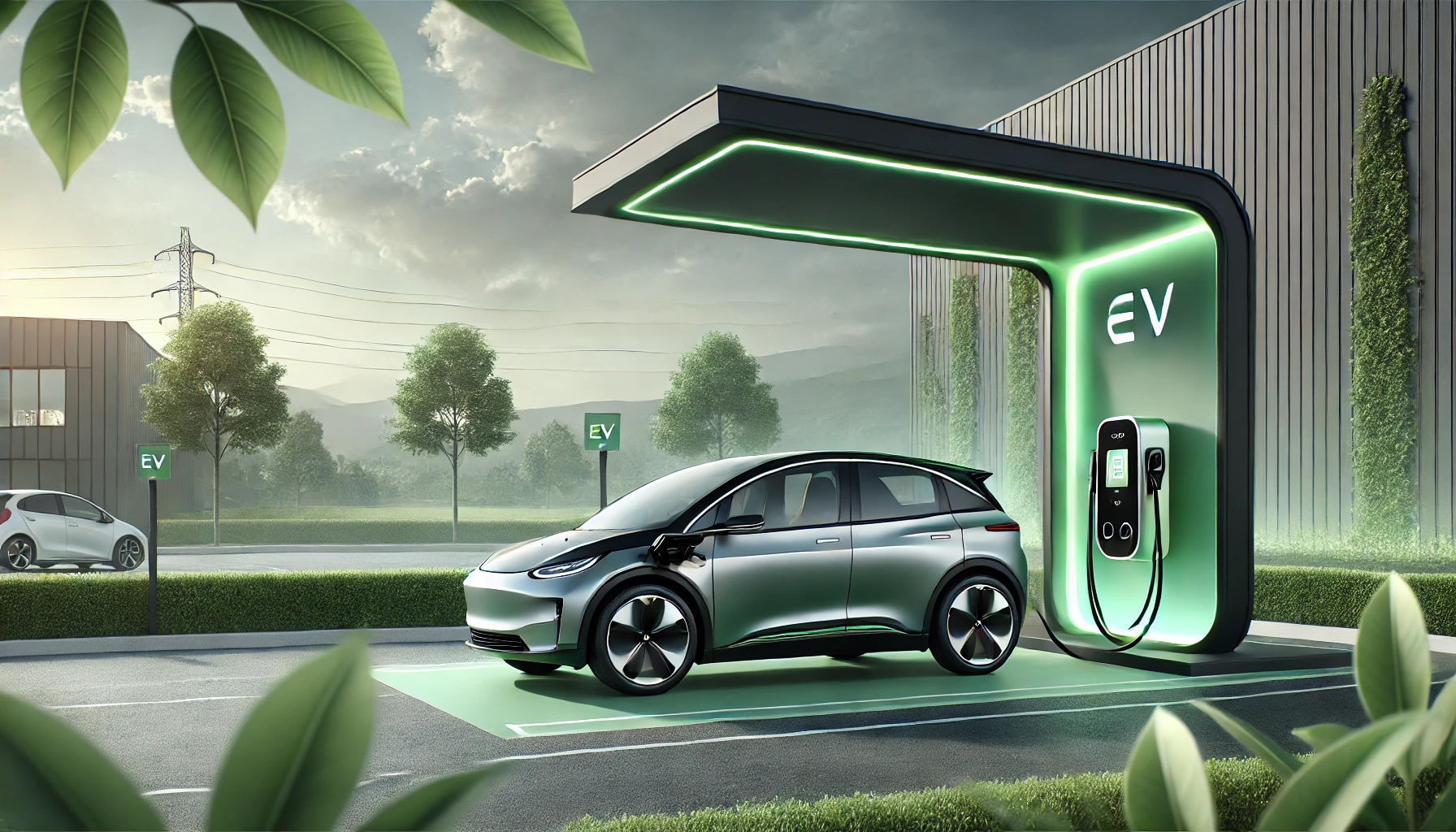
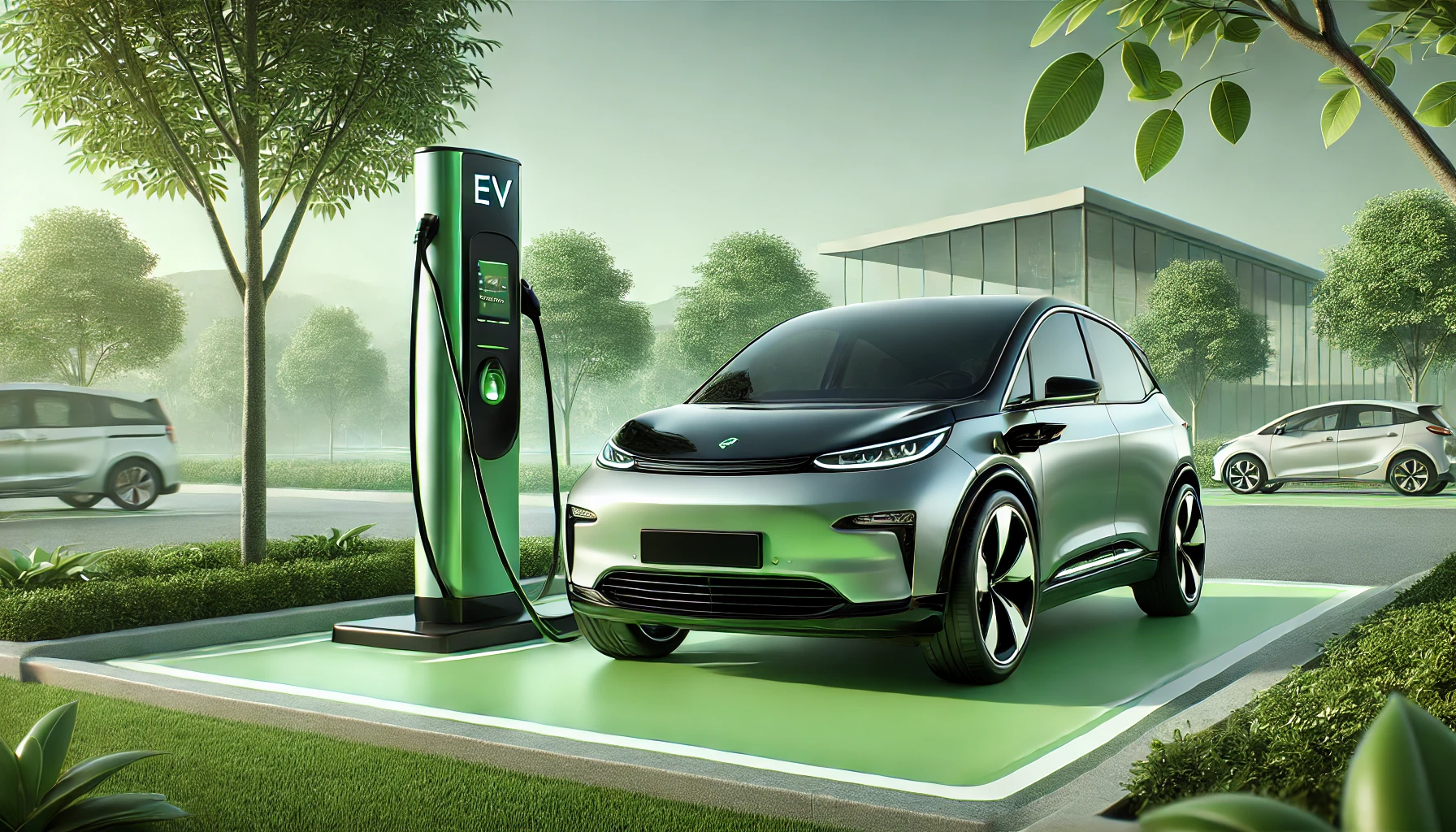
These batteries store electrical energy that is used to power an electric motor. They are charged by connecting them to an external source, such as a charging station, and discharge energy to move the vehicle. Additionally, many EV batteries feature management systems that monitor their temperature, voltage, and state of charge to maximize safety and efficiency.
Benefits and Challenges.
The environmental impact of EV batteries can be divided into two main categories: environmental benefits and environmental challenges. These two perspectives highlight both the positive potential of this technology and the challenges that still need to be overcome to achieve a sustainable transition.
Environmental Benefits: Batteries for electric vehicles are key to reducing greenhouse gas emissions and mitigating climate change. By using electricity instead of fossil fuels such as gasoline or diesel, battery electric vehicles produce zero direct emissions during operation. This not only improves air quality, especially in urban areas, but also helps to decrease health problems related to air pollution. Moreover, in countries where the electricity grid is predominantly powered by renewable sources such as solar, wind or hydroelectric, the positive impact is even greater, as the energy used to charge the batteries also comes from clean sources. This advancement directly contributes to reducing the carbon footprint of the transport sector, which is one of the largest emitters of carbon dioxide globally.
Environmental Challenges: Despite their benefits, EV batteries present significant environmental challenges, primarily related to their production and final disposal. Battery manufacturing requires the extraction of materials such as lithium, cobalt and nickel, a process that can cause negative impacts on the environment and local communities. These activities are often associated with deforestation, water pollution and intensive energy use. In addition, battery recycling still faces technological and economic limitations, which could lead to a buildup of hazardous waste if effective solutions are not implemented. Although programs for battery reuse and recycling, such as their use in energy storage systems, are being developed, these initiatives still need to be scaled up to comprehensively address the problem.
Main types.
Electric vehicle batteries (EV Batteries) are comprised of advanced technologies designed to maximize energy storage capacity, efficiency, and safety. Currently, the most common type used in electric vehicles is the lithium-ion battery. These batteries are notable for their high energy density, meaning they can store large amounts of energy in a relatively compact size, which is essential for maximizing the range of vehicles. They also perform well in charge and discharge cycles, making them long-lasting compared to other options.
Another, less common type of battery is nickel-metal hydride (NiMH), which was widely used in earlier generations of hybrids such as the Toyota Prius. Although these batteries are less efficient in terms of energy density and have a higher self-discharge, they are known for their durability and robustness.
Overall, the evolution of EV batteries remains focused on improving storage capacity, reducing charging time, and minimizing the environmental impact associated with the extraction of materials such as lithium, cobalt, and nickel. Each technology has its own advantages and disadvantages, but all are aimed at making EVs more accessible, efficient, and sustainable.
An emerging technology that has generated great expectations is solid-state batteries. These batteries replace the liquid electrolyte with a solid material, which promises greater safety, longer life and higher energy density. Although they are still in development and not mass produced, they are expected to revolutionize the industry in the coming years.
Finally, lithium iron phosphate (LiFePO4) batteries are another alternative used in certain electric vehicles, especially in markets such as China. These batteries are known for their thermal stability and safety, as they are less prone to overheating, although they usually have a lower energy density compared to traditional lithium-ion batteries.
Significant progress.
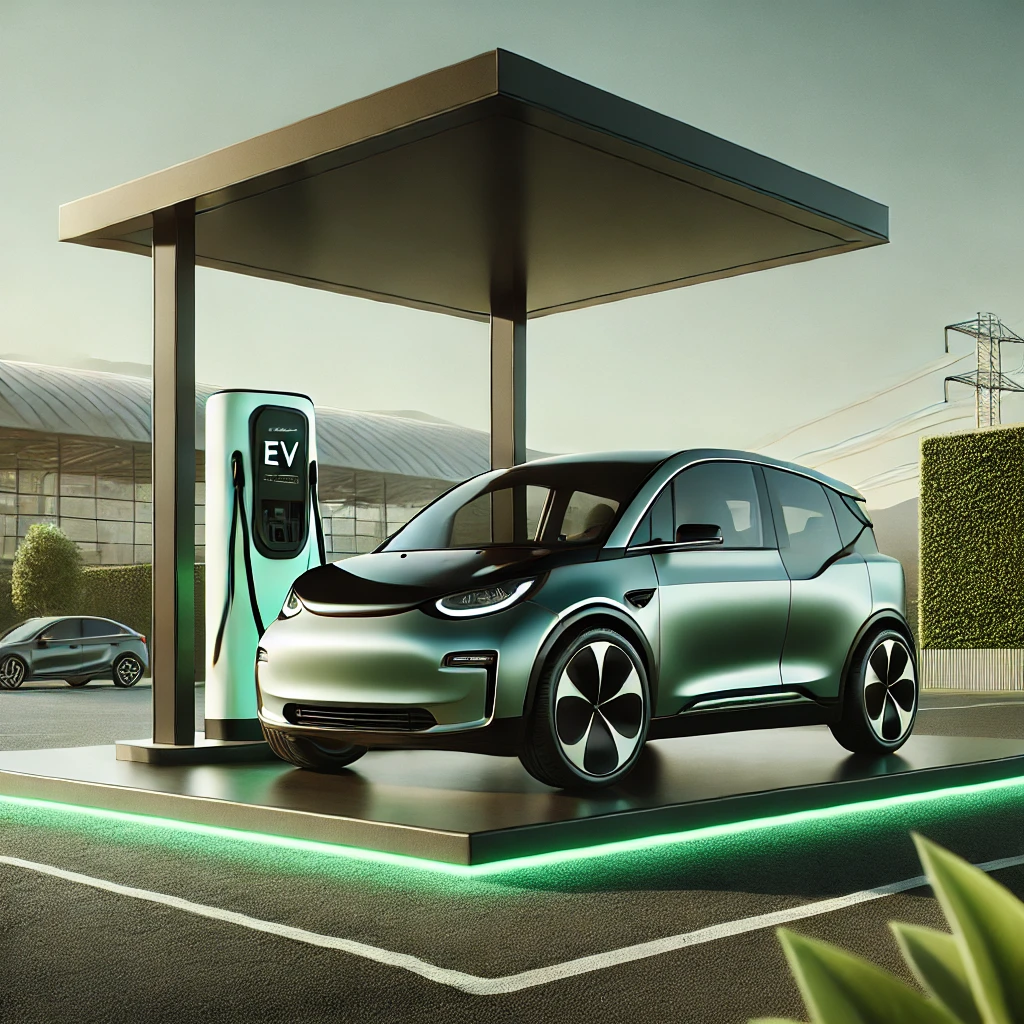
Innovations in the development of batteries for electric vehicles are driving significant advances that seek to improve their performance, reduce costs and minimize environmental impact. One of the main focuses is increasing the energy density of batteries, which would allow more energy to be stored in a smaller, lighter space. This would not only extend the range of electric vehicles, but also reduce the overall weight of the vehicle, improving its energy efficiency. Emerging technologies such as solid-state batteries promise to revolutionize this field by replacing liquid electrolytes with solid materials, which not only increases energy density but also improves safety by reducing the risk of fires or explosions.
Another key aspect is ultra-fast charging, which could transform the user experience by significantly reducing the time needed to recharge a vehicle. Current research is developing batteries capable of charging in just a few minutes without compromising their lifespan, using advanced materials such as silicon anodes or new chemical compounds that optimise the charging and discharging processes.
Battery recycling and reuse are also gaining prominence. Given the environmental impact associated with the extraction of materials such as lithium, cobalt and nickel, more efficient systems are being created to recover these elements from used batteries. In addition, batteries that are no longer suitable for vehicles are being reused in stationary applications, such as renewable energy storage systems, extending their useful life and reducing waste.
Finally, companies are working on reducing dependence on critical materials, exploring alternatives such as cobalt-free batteries or the use of abundant and less expensive materials. These innovations seek to make batteries more accessible and sustainable, democratising access to electric mobility and accelerating the transition to cleaner transport.
Electrified Parts Inc. Committed to innovation and sustainability.
“High-quality hybrid batteries, selected for long-lasting performance”.
info@electrifiedparts.com
Need Help?
Copyright 2025.KlbTheme . All rights reserved