
What is Solar Energy Storage?
Solar Energy Storage refers to the technology used to capture and store the energy generated by solar panels for later use. Since solar energy relies on sunlight, these solutions allow electricity generated during the day to be available at night or during times of low solar radiation, such as cloudy or rainy days.
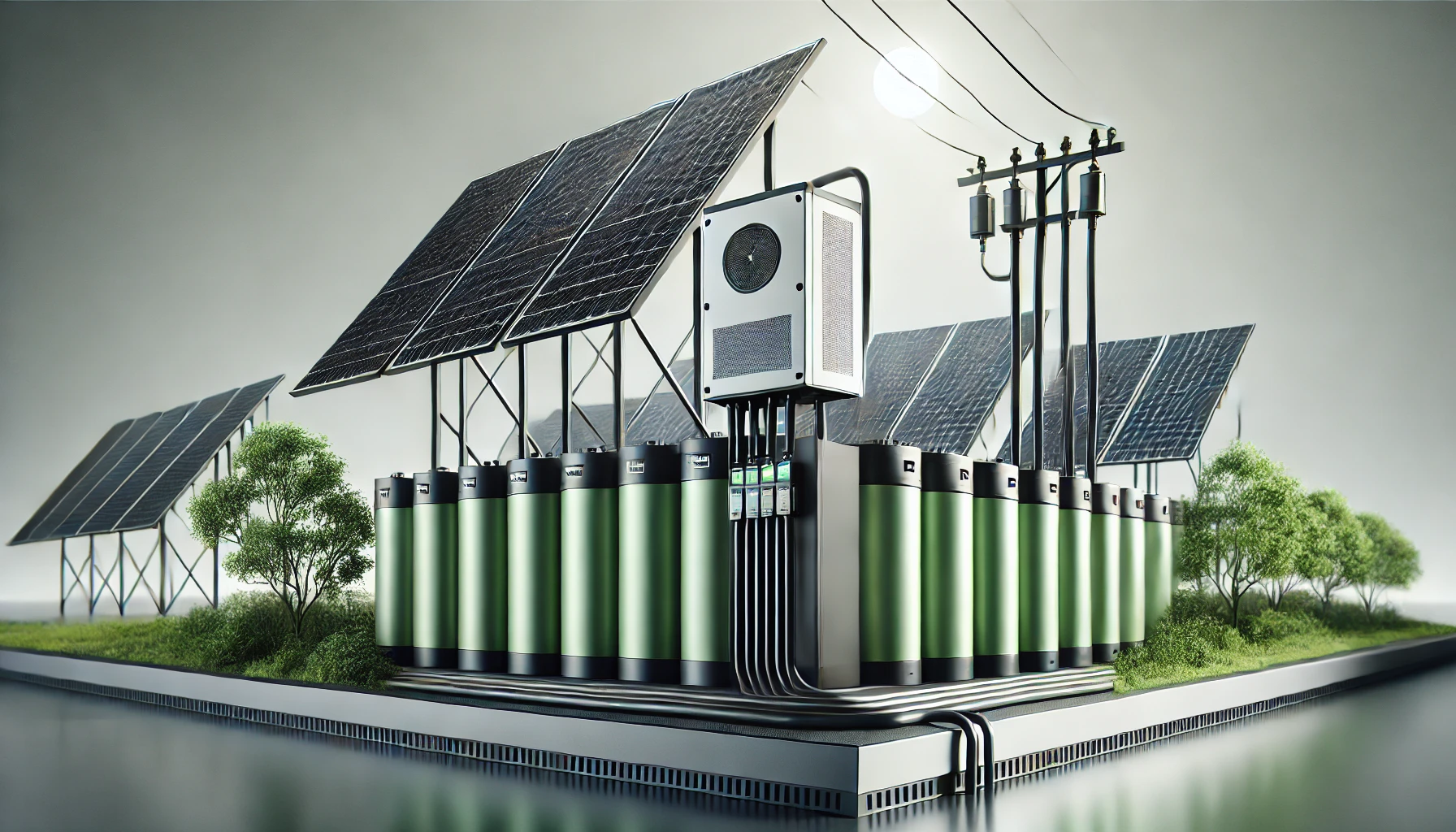
In a world moving towards a more sustainable future, solar energy storage is positioned as a key solution to maximize the use of renewable sources. Our advanced storage technology allows the energy generated during the day to be captured and conserved, ensuring a reliable supply even when the sun is not shining. With our solutions, you are one step closer to efficient and ecological energy independence.
The transition to clean energy has never been more accessible. At Electrified Parts INC, we specialize in offering solar storage systems designed for homes, businesses, and communities looking to reduce their reliance on traditional energy sources. We store the power of the sun to ensure you always have energy available, while contributing to a greener planet. Join the movement toward a brighter, more sustainable future.

How does solar energy storage work?
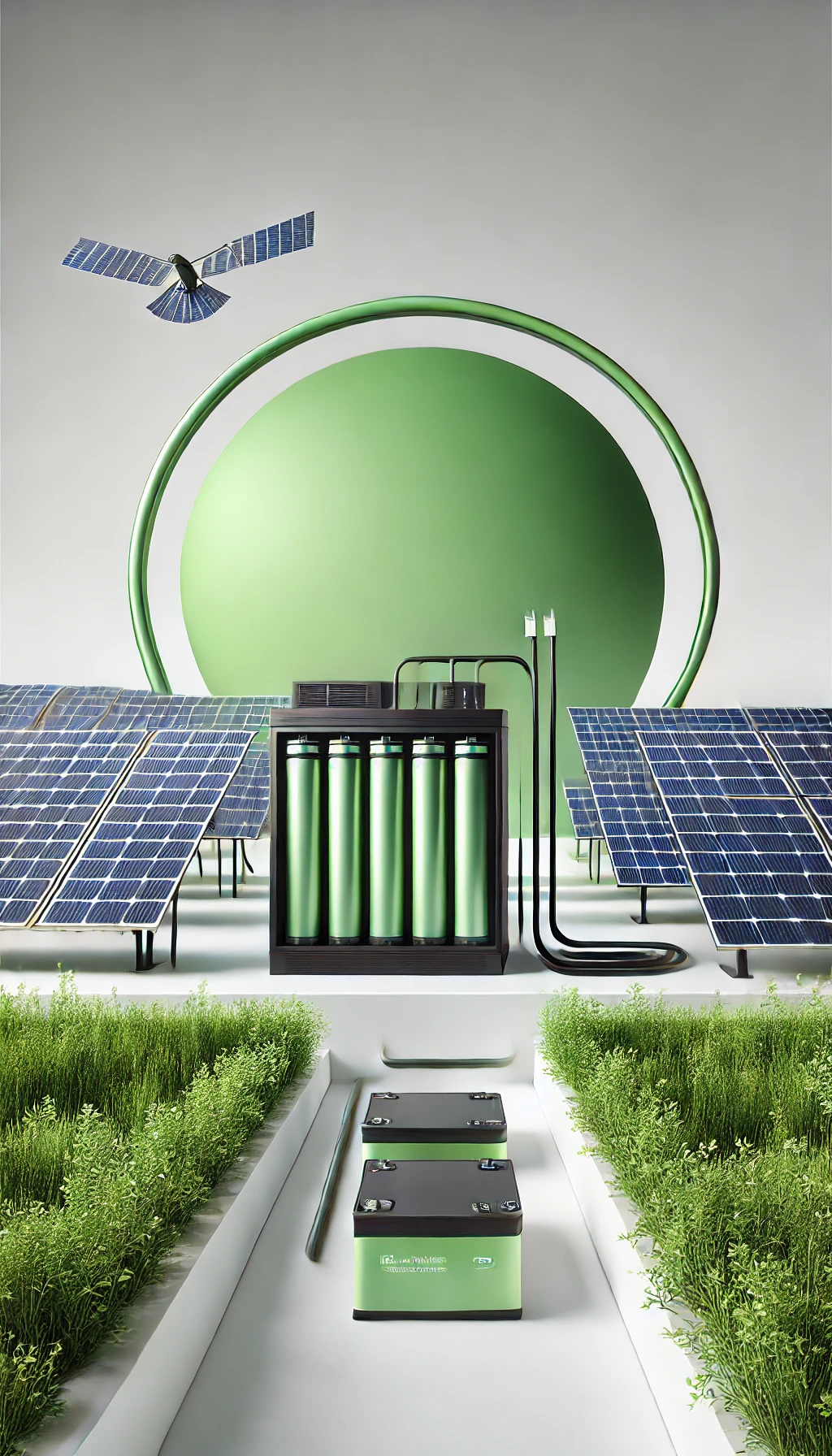
Solar energy storage works by capturing the electricity generated by solar panels and storing it for later use when there is not enough sunlight available, such as at night or on cloudy days. The process begins with solar panels, which convert sunlight into electricity using photovoltaic cells. This electricity, if not immediately consumed in the home or facility, is directed to a storage system, usually comprised of batteries. These batteries store the energy in chemical form, keeping it available to be converted back into electricity when needed.
The storage system includes a charge controller that regulates the flow of electricity to the batteries, protecting them from overcharging or over-discharging, helping to prolong their lifespan. Then, when electricity is needed, the system's inverter converts the stored energy into alternating current, which is the type of electricity used in most devices and appliances. This constant flow of energy ensures that the electricity supply is continuous, even at times when solar generation is not possible.
This mechanism allows maximizing the use of solar energy generated, reduces dependence on the electrical grid and offers reliable backup in case of power outages. In addition, some advanced systems allow monitoring and optimizing the use of stored energy through smart applications, improving efficiency and control of energy consumption.
Benefits of solar energy storage.
Solar energy storage offers multiple benefits that make it a key solution for the transition to a cleaner and more sustainable energy system. One of the main benefits is energy independence, as it allows users to rely less on the traditional power grid by storing the electricity generated by solar panels to be used when needed, such as at night or on cloudy days. This is especially useful in remote areas where access to the power grid is limited or non-existent, as it ensures a constant supply of energy.
Another big benefit is savings on electricity costs. By taking advantage of stored solar energy instead of tapping the grid during peak demand hours, users can significantly reduce their electric bills. Additionally, many storage systems are designed to optimize energy use, prioritizing consumption of stored energy when electricity rates are highest, amplifying savings in the long run.

Solar energy storage also acts as a reliable energy backup, providing electricity during power outages or grid failures. This is especially important in areas prone to power outages due to extreme weather conditions or grid overload. In these cases, storage systems ensure a continuous supply of electricity to keep essential devices running, such as household appliances, heating or cooling systems, and medical equipment.
In addition, solar energy storage has a positive impact on the environment by maximizing the use of renewable energy and reducing dependence on fossil fuel-based energy sources. Not only does this decrease greenhouse gas emissions, but it also contributes to sustainability by reducing the carbon footprint of homes and businesses. As storage technology advances, these systems are also becoming more accessible, efficient and cost-effective, strengthening their role in the transition to a greener energy future.
Types of solar energy storage.
There are several types of solar energy storage, each designed to meet different needs and applications. The most common type is lithium-ion battery storage, known for its high energy density, long lifespan, and ability to recharge quickly. These batteries are compact, efficient, and increasingly affordable, making them the preferred choice for residential and commercial installations. Although they can be expensive initially, their long-term benefits in terms of efficiency and cost reduction make them a popular investment.
Another important type is lead-acid batteries, which have been used for decades in renewable energy systems. Although they are cheaper than lithium-ion batteries, they have lower energy density and require more maintenance. These batteries are ideal for applications where initial cost is a major concern and the required energy capacity is not extremely high. However, their shorter lifespan and the environmental impact associated with their disposal make them less favorable compared to modern alternatives.
Flow batteries are another emerging technology that offers large-scale solutions. These batteries store energy in liquids that flow between two separate tanks, allowing them to be easily scaled for mass storage projects. They are highly durable and have a longer lifespan, but are typically larger and more expensive, limiting their application in residential settings.
Finally, thermal storage is an innovative alternative that uses the heat generated by solar energy to store it in materials such as molten salts or water. This type of storage is common in concentrated solar power plants, where the stored heat is used to generate steam and drive turbines, producing electricity even when there is no sunlight. It is an efficient solution for large-scale projects and regions with high solar exposure.
In summary, each type of storage has advantages and disadvantages depending on factors such as cost, required capacity and the environment of use. As technology advances, these options continue to evolve to offer more efficient, sustainable and accessible systems, adapting to the needs of a world that seeks to rely more on renewable energy sources.
Electrified Parts Inc. Committed to innovation and sustainability.
“High-quality hybrid batteries, selected for long-lasting performance”.
info@electrifiedparts.com
Need Help?
Copyright 2025.KlbTheme . All rights reserved